
Common Mistakes Visitors Make at Island Museums and Heritage Sites
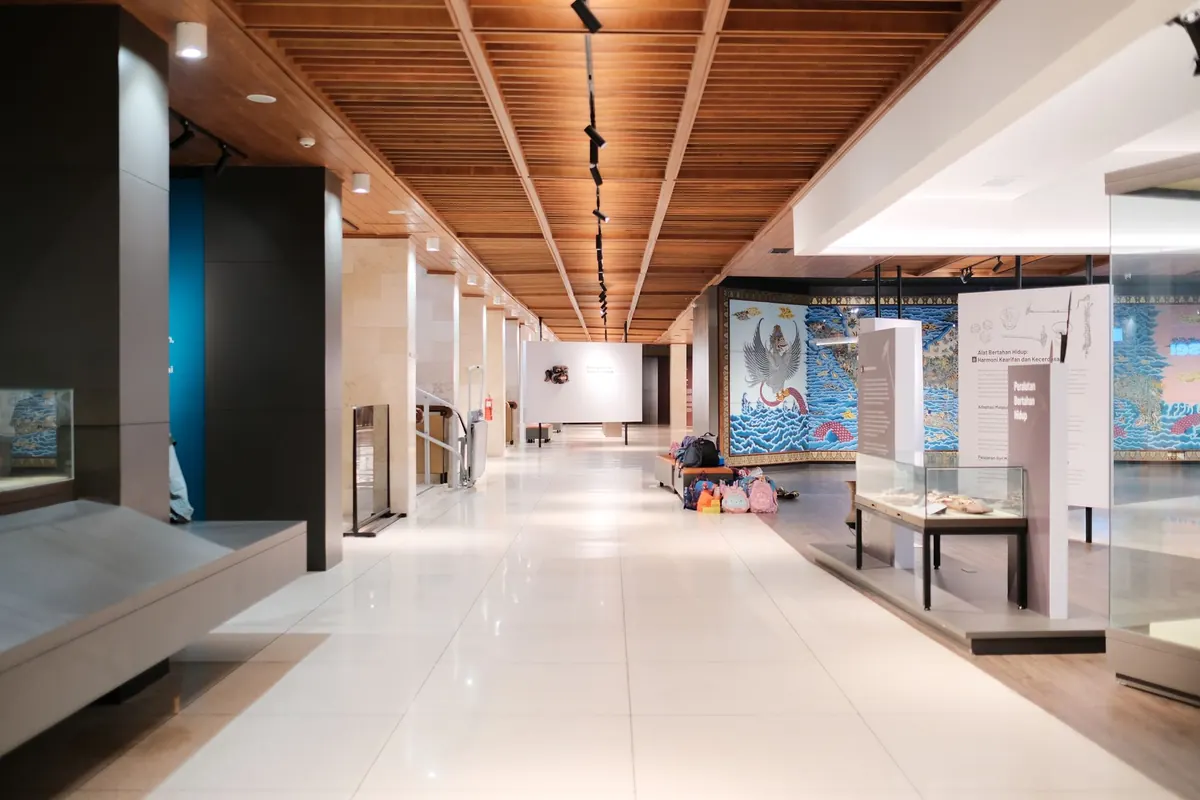
A small island museum can be the best hour of a holiday: a room of fishing nets, a case of handwritten letters, a volunteer who remembers the harbour when it was full of boats. It can also fall flat if you turn up expecting something bigger, glossier or more flexible than what is there. Most island heritage sites are small, seasonal and run by a handful of staff and volunteers, often in buildings that were never designed for crowds. A little preparation turns a rushed look round into an afternoon worth remembering.
Check the opening times before you book the ferry
Ferries run to a timetable. Museums often don't. Hours shift with the season, the weather and who is available that week. A site that opens daily in August may open two afternoons a week in October, or shut entirely once the schools go back and the volunteers head south.
The website is a starting point, not a promise. Look at the date on the latest news item; if it is from three summers ago, treat every detail as a guess. Then ring, or send a message on social media, and ask two questions: are you open on the day I am planning, and is any part of the site closed? If nobody answers, assume it might be shut and keep a backup in mind.
Do this twice — once when you book travel, and again on the morning itself. Storms cancel ferries; rotas change; boilers fail. None of that is anyone's fault, but all of it can ruin a tightly planned day.
Tickets: the small print that catches people out
Some island museums are free and live on donations. Others charge, and many now sell timed entry online because their rooms are tiny. A few things are worth checking before you pay.
- Book ahead where you can. Timed slots exist because a gallery the size of a sitting room cannot hold thirty people at once.
- Check what the ticket covers. Entry only, or a guided tour, a lighthouse, a walled garden, a separate building up the hill?
- Ask about annual passes and memberships. They are often better value than a single visit, even on a short trip.
- Read the group rules. Parties of six or more usually need to book, and coach or school groups almost always do.
- Carry a little cash. Card readers and mobile signal are not guaranteed inside thick stone walls.
- Keep your ticket. Some sites have two buildings a short walk apart and check again at the door.
Photography: ask first, flash never
Most island museums are relaxed about personal photography, and many are glad of the free publicity. The trouble is usually about method rather than permission.
Flash and tripods
Flash fades textiles, watercolours, old photographs and dyed leather. Conservators will ask you to switch it off even where photography is otherwise welcome. Tripods and selfie sticks block narrow routes and are frequently banned for safety, particularly in buildings with uneven floors and low beams.
Drones and copyright
Assume a drone flight over a heritage site needs permission from the site and probably more besides; airfields, wildlife and neighbours all have a say. As for the objects themselves, items on loan from private owners or national collections often cannot be photographed at all. If a label or a sign says no, that means no photographs, phone included. If you want to publish an image — a blog, a calendar, a society newsletter — ask the museum in writing first.
And be decent about it. Step aside, don't hold up a queue for a shot, and never photograph other visitors' children.
In the gallery: small spaces, big consequences
- Don't touch, even where there is no rope. Skin oils damage metal, stone and paper. Hands in pockets is a good habit.
- Wear bags on your front, or leave them at the desk. A rucksack turning in a narrow room is how cases get knocked.
- Keep drinks and ice creams outside. Crumbs attract the pests that eat collections.
- Talk, but don't broadcast. Volunteers like conversation; they like a phone call echoing round a stone room rather less.
- Watch children closely. Plenty of island museums are hands-on in one corner and irreplaceable two metres away.
- Mind your step. Thresholds are uneven, stairs steep, lighting dim. Ask about accessible routes instead of assuming.
- Follow the one-way route if there is one. It exists to stop people meeting head-on in a corridor.
Support the people who keep the doors open
Volunteers frequently know more than the labels do. Ask what they remember, what is in store, which object visitors always ask about. You will hear things no guidebook contains.
Support comes in other forms too. Buy something from the gift shop rather than the ferry terminal. Put money in the donation box, and if you are a UK taxpayer, tick the Gift Aid box when asked — charities can reclaim tax on eligible donations. Take out membership if you plan to return. Leave a review that names the people who helped you. And if you have a spare morning, offer to help: stewarding, cataloguing, or making tea is how these places survive.
When something is closed, restricted or full
Conservation work, staff shortages and leaking roofs all close galleries at short notice. Ask what is still open rather than turning away — many sites shut one room at a time. If the museum itself is closed, the island usually has something: a church with carved stones, a war memorial, a harbour wall, a library or archive with old photographs, a heritage centre in the former school.
Do ask about the store. Small museums hold far more than they can display and are quietly delighted when a visitor shows an interest.
A five-minute checklist before you go
- Check opening times the day before and again that morning — and note the last entry time, not just the closing time.
- Book timed tickets if offered, and check whether tours or outbuildings need separate ones.
- Ring ahead about access, parking, dogs and pushchairs if any of those matter to you.
- Charge your phone and carry a little cash.
- Ask about photography rules when you arrive, not in front of the object you most want to photograph.
- Leave time afterwards. Island museums are small, but the conversations are not.
Photo: Mochammad Algi / Pexels