

Moving to a Scottish Island: A Beginner's Guide to Costs, Work and Community Life
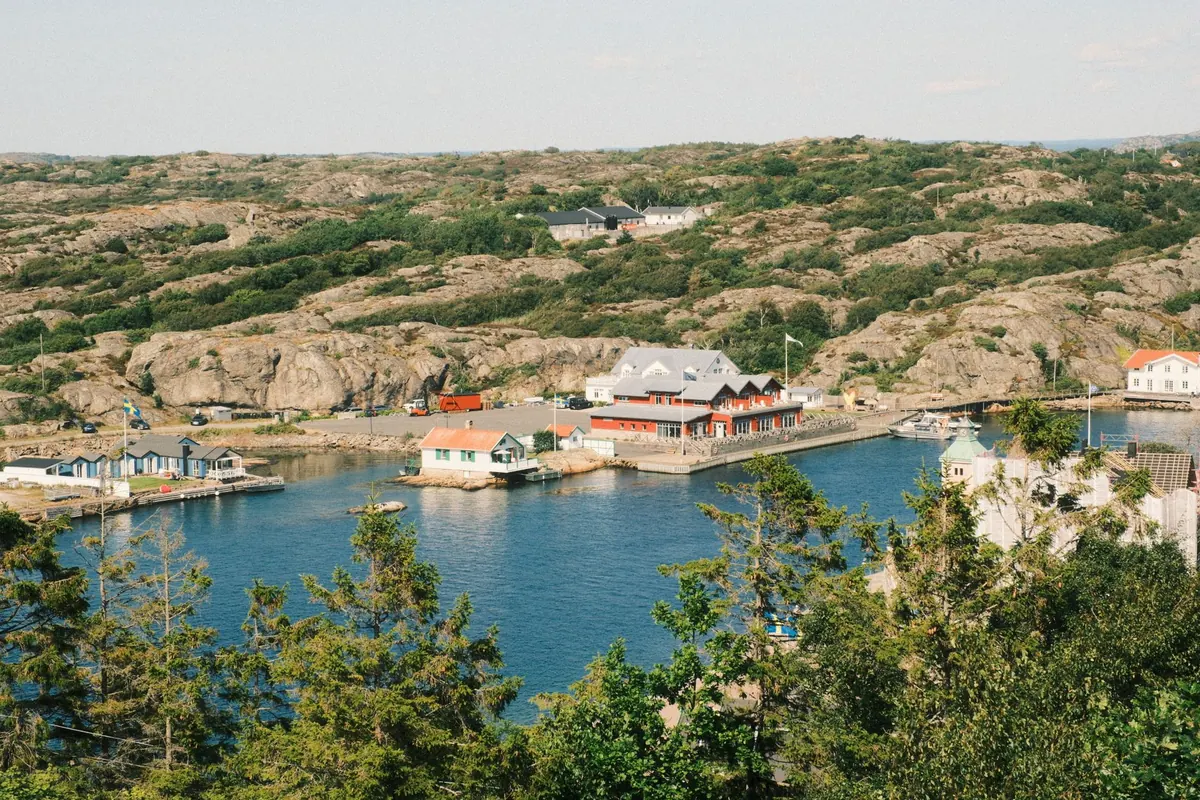
The ferry slides past a lighthouse and someone on deck says they could get used to this. They probably could. What catches people out is rarely the scenery — it's the practical business of finding a house you can afford, a job that pays through the winter, and a broadband connection that holds up when you need it most. Island life isn't a permanent holiday, and it isn't a slog either. It sits somewhere in between, and the people who settle well are the ones who did their homework before the removal van arrived.
What It Actually Costs
Two households on the same island can have very different budgets. Heating is usually the biggest surprise: island homes are often older, exposed to wind and off the gas grid, so many rely on oil, electricity, LPG or solid fuel. A poorly insulated house can cost far more to heat than a comparable property on the mainland.
Food shopping is another one. Supermarkets exist on the larger islands, but choice is narrower and prices are often higher. Bulk buying, monthly mainland shops and splitting delivery costs with neighbours are common strategies. A car is close to essential on most islands, and ferry fares add up if you travel regularly; the Road Equivalent Tariff has brought some routes closer to mainland driving costs, but the total still needs a line in your budget.
Not everything is more expensive. Commuting costs can vanish, and many people find they spend less simply because there is less to spend it on. Do the sums honestly, with a contingency, and take professional financial advice if the move depends on savings, a pension or a property sale.
It helps to build a realistic monthly budget before you commit. List the non-negotiables: mortgage or rent, council tax, electricity, oil or coal, car finance, insurance, ferry travel, food, broadband and mobile. Then add a winter premium. A calm September can look affordable; a stormy January with the heating on and a ferry cancelled is the real test.
If you are moving with savings or a pension, check how far that income stretches after higher fuel and transport costs. If you plan to run a business, factor in slower winters, higher delivery charges and the time it takes to become known locally. A contingency fund is not pessimism on an island. It is basic planning.
Housing: The Real Bottleneck
Most islands have a small property market. Listings can be counted on one hand for months, then several appear at once. Good houses at sensible prices move quickly, so viewings need to be arranged fast — or you need someone local you trust to look at a property on your behalf.
Renting is harder still. Private lets are scarce, and many are tied to a job in hospitality, care or tourism. Social housing waiting lists exist, and in some areas local connection criteria apply, so speak to the council and local housing associations early rather than after you arrive.
If you are considering a croft, treat it as a legal arrangement rather than a lifestyle purchase. Crofting tenancies, owner-occupier crofts and the duties that come with them are governed by specific rules, so take advice from a solicitor with crofting experience before signing anything.
Two things help enormously: visit in winter, and talk to people who have moved in the last five years. They will tell you things the estate agent won't.
It also pays to understand the difference between a house that is merely remote and one that is genuinely inaccessible in bad weather. A track that is fine in June can become impassable in January. Ask about drainage, damp, roof condition, and whether the property has ever been flooded or cut off. If the house needs work, find out whether tradespeople are available and what materials cost to bring over.
Work and Income
Islands run on a mix of sectors: health and social care, schools, council services, construction, tourism, hospitality, fishing and aquaculture, plus the ferry and haulage operations that keep everything moving.
Tourism work is plentiful in summer and thin in winter, and that seasonality catches people out. Many islanders hold two or three part-time jobs rather than one full-time post; that pattern is normal, not a sign of failure.
Remote working has changed the equation for some, with one condition: your employer needs you online. Check what connection is available at the specific address and have a backup plan. If you plan to be self-employed — a trade, food production, accommodation, creative work — expect to build a local reputation from scratch. It can take two or three years to become the person people call first.
In the meantime, cash flow matters. Have enough put aside to cover a quiet winter, and don't assume a mainland client base will automatically follow you. Some clients will stay; others will drift away once you are harder to meet in person. Be honest about which is which.
Broadband, Mobile and Getting There
Check the address, not the island. Coverage varies enormously between one township and the next, and even between sides of the same hill. Ask what the actual broadband speeds are at the property, whether full fibre is available, what mobile signal is like inside the house, and which networks work best locally. If you rely on video calls or large file transfers, test it before you commit: buy a local SIM, run a speed test, or ask a neighbour to test from their kitchen. Satellite can fill gaps, but it costs more and may have data limits or latency.
Ferries are the other lifeline. Learn the timetable, booking system, and how disruption works. In winter, cancellations happen. Build flexibility into work travel, medical appointments and family visits. Keep a car that is reliable in wind and rain, and consider whether you need a second vehicle or can share lifts. If you travel often, look at bulk ticket options and concession schemes, and remember that island life is shaped as much by the ferry as by the weather.
Community Life: What Settling In Really Looks Like
Island communities are not monoliths. Some are close-knit, some are scattered, and most are welcoming to people who arrive with humility and a willingness to contribute. The fastest way to settle is not to talk about how things were done where you used to live. Instead, volunteer, join something, shop locally, and accept that trust is built slowly.
Small things matter. Learn names. Support the village hall, the shop, the pub, the football club, the choir, the lifeboat fundraisers. If you have skills — bookkeeping, plumbing, first aid, web design, cooking — offer them. People remember who turned up in a storm or helped with a community event.
It also helps to be realistic about privacy and pace. Everyone knows your business faster than you might expect, but that same network is why someone will check on you when the power goes out. The trade-off is usually worth it.
Before You Commit: A Practical Checklist
- Visit in winter. Stay for at least a week, ideally in the worst weather you can manage.
- Talk to recent movers. Ask about heating bills, broadband, schools, work and social life.
- Check housing options early. Speak to the council, housing associations and a local solicitor if crofting is involved.
- Test connectivity. Confirm broadband and mobile at the exact address, not the island generally.
- Budget for winter. Include fuel, food, ferry travel, car costs and a contingency fund.
- Plan your income. Secure remote work, a local job, or enough savings to cover the first year.
- Think about services. GP, dentist, school, childcare, hospital and transport links.
- Be ready to join in. Community life rewards effort, patience and a sense of humour.
The Bottom Line
Moving to a Scottish island can be one of the best decisions you ever make, but it is not a shortcut to a simpler life. It is a different life, with different costs and different rewards. Do the research, visit out of season, ask awkward questions, and arrive with realistic expectations. If you do that, the ferry journey at the start of this article will feel less like an escape and more like the first day of something that actually works.
Photo: Sahesh A / Pexels