
Island Self-Catering Meal Planning: How to Shop Around Ferry Delays

The sailing is cancelled, the wind is up, and the village shop has one loaf left on the shelf. This is not a crisis. On an island, it is simply Tuesday. Anyone who has self-catered through a week of uncertain boats learns the same lesson: a menu is a wish, but a larder is a plan.
Cook from what you have, buy well when the ferry is in, and treat the local shop as part of the holiday rather than a last resort. Here is how to eat properly without ever seeing a full supermarket aisle.
Start with the larder, not the menu
Most self-catering planning begins in the wrong place: a list of dinners. On an island, start with the shelf instead. Ask what can sit in a cupboard for a week — longer, ideally — and carry that with you.
If you are arriving on foot, weight matters, but dry goods weigh very little and squash into the gaps around your clothes. If you are driving, you have boot space and no excuse. The aim is not to recreate your home kitchen. It is to make sure that whatever the sea decides, you can still put a decent plate of food on the table.
The staples worth carrying
- Dried pasta, rice, couscous or bulgur wheat. Fast, filling, and untroubled by a damp cupboard.
- Tinned tomatoes, chickpeas, lentils, tuna, anchovies. A sauce and a protein in one tin.
- Oil, vinegar, salt, pepper, stock cubes, dried herbs, a jar of curry paste or harissa. Flavour is what separates a tin of beans from dinner.
- Onions, garlic and potatoes. They keep for a fortnight in a cool, dark corner.
- Coffee, tea, UHT milk and something to drink. The essentials of a civilised morning.
- Oatcakes, nuts, dried fruit. The things that stop a delayed lunch becoming a bad mood.
Hardy fresh food travels well too: cabbage, carrots, swede, squash, a bag of apples. Pack anything chilled in a cool bag with a frozen block, get it into the fridge as soon as you arrive, and eat those items first. If you have allergies or a medical diet, read labels every time — island stock differs from your home shop, and substitutions are common.
Learn the rhythm of the local shop
Island shops are small, and that is their strength. They tell you what is genuinely good that week. Stock follows the boat, so shelves are fullest a few hours after a sailing and thinnest the day before one. On your first morning, ask: when is your next delivery? What came in today? What is worth buying while it is here? A shopkeeper who knows you are cooking for six will point you at the right things.
Buy what you need plus a little, then leave some behind. The household arriving on the same late boat will be grateful, and you will be back next year.
Buy on the island rather than haul
Fish landed that morning, eggs from an honesty box at the end of a lane, local cheese, bread from the bakery, whatever the garden glut happens to be. These are the meals you will remember. Buy them when you see them, not when a recipe demands them. If good fish appears on Tuesday, then Tuesday is fish night.
Build meals that bend
Rather than plan eight dinners, learn a shape: base, sauce, protein, something fresh. Swap any one element and you have a different meal.
- Base: potatoes, rice, pasta, bread, noodles.
- Sauce: tomatoes and garlic, cream and mustard, curry paste and coconut, oil and lemon.
- Protein: eggs, tinned fish, lentils, cheese, whatever the butcher has.
- Fresh: a handful of herbs, a cabbage slaw, frozen peas, a sliced tomato.
Cook once and eat twice. A big pot of lentil ragu covers pasta tonight and baked potatoes tomorrow. A roast chicken becomes sandwiches, then soup. This is not frugality for its own sake; it is how you keep cooking when the shop is half empty and everyone is hungry.
A week that survives a missed sailing
Work with the clock rather than against it. For the first few days, cook the fresh things: fish, salad, soft fruit, the good bread. In the middle of the week, lean on dried pasta, rice, curries and whatever the shop had in. Towards the end, tins, potatoes, eggs and a large soup that uses up every vegetable left in the drawer.
Keep one evening free for the pub or a takeaway, and do not feel obliged to cook every meal. Bread, cheese, tomatoes and olives, eaten outside with a view, counts as dinner.
When the boat doesn't come
A cancelled sailing takes a day or two to reach the shelves. Milk, bread, salad and fresh meat go first, so be ready to shift rather than cling to a plan.
- UHT milk for coffee and cooking.
- Frozen vegetables and frozen fish, if you have freezer space worth using.
- Bread alternatives: flatbreads from flour and yoghurt, soda bread, oatcakes.
- Eggs, always eggs — omelette, frittata, shakshuka, or simply boiled with salt.
- One meal you can eat cold or with almost no cooking, for the day you arrive late and tired.
If you are travelling with medication or a restricted diet, make sure you have enough to cover a delay, and speak to a pharmacist or your GP before you travel if you are unsure.
The two-meal buffer — and a last word
Keep two meals in the cupboard at all times. Not a stockpile, just enough that a cancelled boat means a pleasant dinner rather than a scramble. Before you shop, look at what is left, write a short list, buy the fresh things first and fill the gaps after. At the end of the trip, leave unopened dry goods for the next guest, or pass them to the shop's community shelf if there is one.
None of this needs to feel like provisioning an expedition. A shelf worth eating from, a shop where you have said hello, and a willingness to cook what is in front of you will carry you through almost anything the weather throws at the timetable. Then a delayed ferry becomes another hour in the garden with a book, rather than a problem to solve.
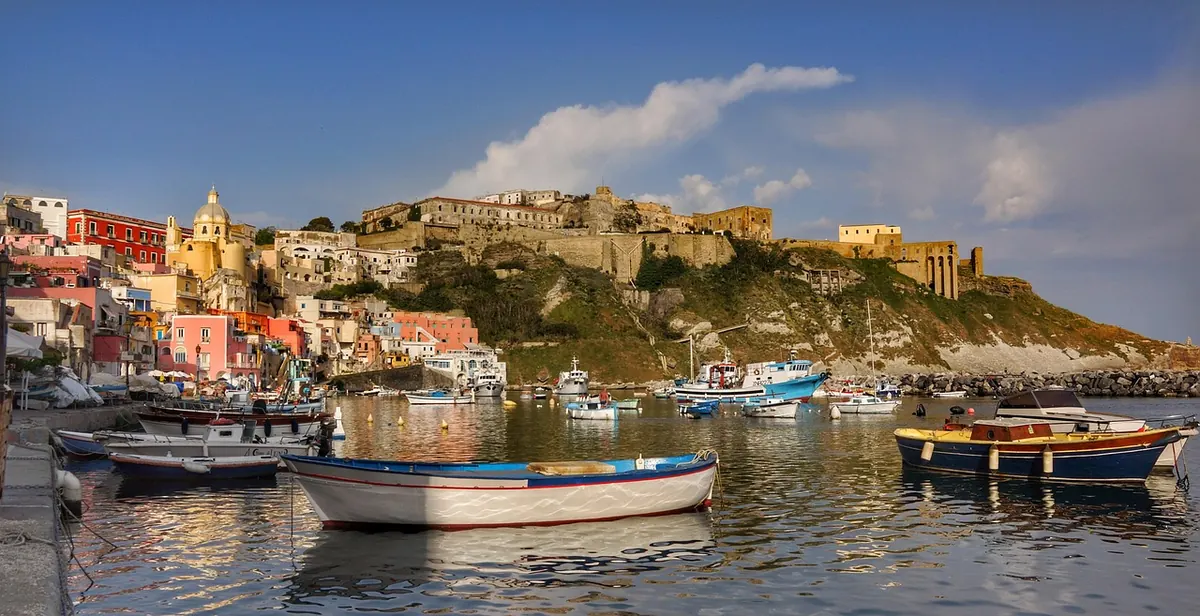
Photo: Miller_Eszter / Pixabay