



Island Ferries vs Short Flights: Which Is Better for a UK Island Break?
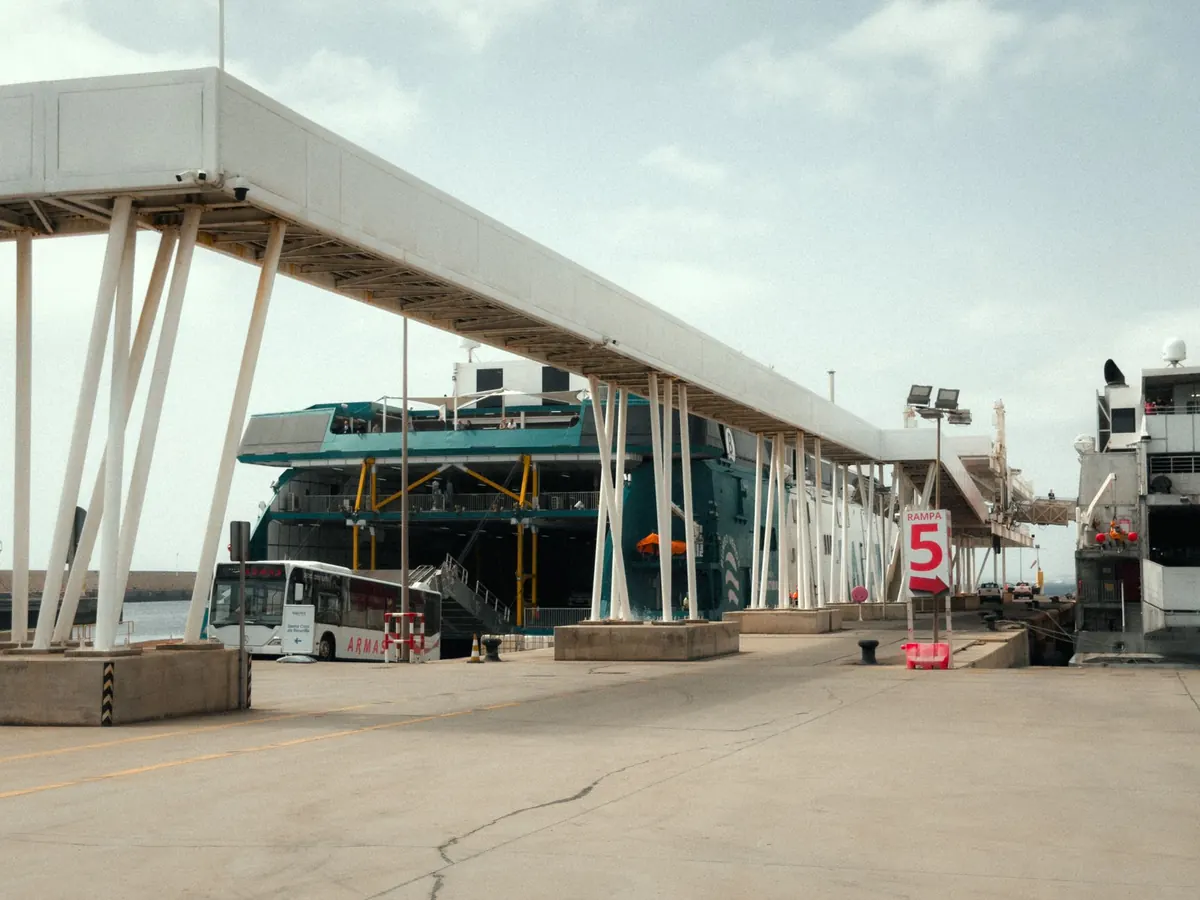
The island is picked. The cottage is booked. What's left is the decision that quietly shapes the whole trip: sail or fly. On paper it looks simple — the ferry is slower and kinder on the wallet for foot passengers, the flight is quicker and dearer — but that tidy trade wobbles as soon as you add a car, a dog, a bank holiday, a gale, or the fact that you live four hours from the port. Here's how ferries and short island flights actually compare.
The fare is only part of the cost
Foot passenger fares to UK islands are often surprisingly modest, and many routes have cheaper rates for children, students and older travellers. Add a car, though, and the maths changes: vehicle fares are priced by length and charged separately from the people inside, and popular summer sailings sell out weeks ahead.
Island flights work the other way. Seats are limited and often served by a single operator, so booking early matters far more than it does on a busy mainland route. A fare that looks reasonable in February can be painful in July.
Then price the trip you're actually taking: parking at the port or airport, a taxi, and — if you leave the car at home — car hire on the island, which can easily cost more than the ferry would have. Some operators sell combined rail-and-sail tickets, so it's worth asking before you book the legs separately.
Journey time: count the whole door-to-door trip
Compare door to door, not gate to gate. A forty-minute island flight still needs you there in good time, and small airports advise arriving well before departure. Add the journey to a mainland airport that's often well outside town.
Ferries look slower, and on long crossings they are: Oban to Barra or Penzance to St Mary's is a proper journey, not a hop. But terminals are frequently in the middle of things, check-in for foot passengers is brisk, and on Scottish west coast routes the sailing itself is half the point. For the Isle of Wight, we're talking about a crossing measured in minutes rather than hours.
The honest test: add the drive, the parking shuffle, the check-in and the onward transfer. The gap between the two options often shrinks.
Weather, timetables and reliability
Neither option is weatherproof. Ferries are cancelled or delayed by swell and high wind; small island aircraft are grounded by fog, low cloud and crosswinds. Winter timetables are thinner on both, and some island flights run only a couple of times a day, so a missed connection can mean a night ashore.
Two habits help. First, if you have a fixed commitment at the other end — a wedding, a connecting ferry, an appointment — travel the day before and treat the buffer as part of the cost. Second, read the disruption policy before you pay. Ferry operators usually rebook you onto the next available sailing; airlines may do the same, but "next available" on a small aircraft can mean tomorrow.
Also check the island end: tides, single-track roads, and the fact that a late arrival may mean no shop, no bus and no taxi.
Luggage, bikes, dogs and bulky kit
This is where ferries usually win comfortably.
- Foot passengers generally carry their own bags, with no strict weight limit — you're limited by what you can wheel or carry.
- Cars are priced by length, so roof boxes, bike racks and trailers can push you into a higher band. Check before you book.
- Island flights use small aircraft, where hold allowances are tighter than a budget airline's and cabin bags are tiny. Extra weight may be capped by safety limits rather than by a fee.
- Bikes, kayaks, surfboards and dive kit go on ferries with notice and a booking; on a small plane they need careful packing, and spaces are few.
- Dogs: many ferries allow them in the car, in kennels or on deck; on flights they're rare, and assistance dogs need arrangements made in advance.
Accessibility and comfort
Ferries are generally the easier option for wheelchair users, mobility scooters, prams and anyone who finds steps hard. Modern ships have lifts, accessible toilets and cabins, and crew are used to boarding passengers with assistance needs — tell the operator when you book and again before you travel. Some allow you to stay with your vehicle if you've arranged it in advance, which matters on a long crossing.
Small aircraft are trickier: boarding is often up steps, wheelchair dimensions and battery types are restricted, and assistance has to be requested ahead. The flight is short, but there's no lounge, no café and no deck to walk.
If you're a poor sailor, be honest about crossing length. A short hop on a calm day is one thing; two hours across open water in a swell is another. Speak to your pharmacist or GP about seasickness before you go, and check both operators' assistance policies if you have a medical need.
Carbon: less clear-cut than it looks
Short flights are emissions-heavy per passenger, because take-off and climb
Photo: Atlantic Ambience / Pexels